



10-Oct-2026
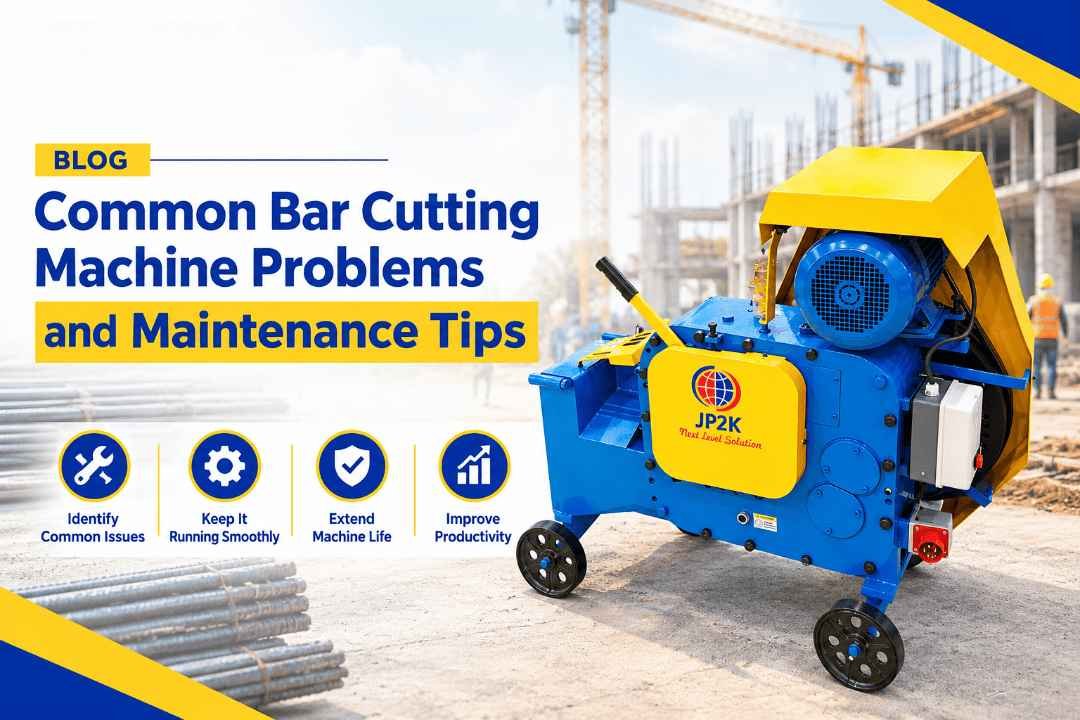
Bar cutting machines are essential equipment in the construction industry, helping contractors cut reinforcement bars (TMT bars) accurately and efficiently for concrete structures, buildings, bridges, and infrastructure projects. Regular use, improper handling, and a lack of maintenance can affect machine performance, cutting accuracy, and overall productivity.
Understanding common bar cutting machine problems and following the right maintenance practices can help reduce downtime, improve operational efficiency, and extend the machine's service life.
A well-maintained bar cutting machine delivers consistent cutting performance and supports smooth construction operations. Regular maintenance helps prevent unexpected breakdowns, reduces repair costs, and improves workplace safety.
For construction companies and contractors handling large volumes of reinforcement steel, proper machine maintenance is essential to keep projects running on schedule.
One common problem operators may face is a machine that fails to start or stops unexpectedly during operation.
Possible causes:
Loose electrical connections or damaged cables.
Power supply fluctuations or phase-related issues.
Faulty switches, contactors, or other electrical components.
Motor overheating or activation of overload protection.
Maintenance tips:
Check the power supply and electrical connections.
Ensure the machine receives the correct voltage and three-phase supply, as specified by the manufacturer.
Inspect switches and cables for visible damage.
Contact a qualified electrician if the problem continues.
Always disconnect the power supply before inspecting electrical components.
Poor cutting performance can affect productivity and cause delays at construction sites. The machine may struggle to cut reinforcement bars or produce uneven cuts.
Possible causes:
Worn, damaged, or incorrectly installed cutting blades.
Cutting bars that exceed the machine's rated capacity.
Incorrect bar positioning.
Insufficient lubrication or mechanical wear.
Maintenance tips:
Inspect the cutting blades regularly.
Replace damaged blades with compatible parts.
Follow the recommended cutting capacity for the machine and the steel grade being used.
Position reinforcement bars correctly before starting the cutting cycle.
Using the right machine for the required bar diameter helps maintain cutting efficiency and equipment reliability.
Unusual sounds or excessive vibration during operation may indicate a mechanical issue that requires attention.
Possible causes:
Loose fasteners or machine components.
Worn bearings or damaged mechanical parts.
Inadequate lubrication.
Misalignment or internal wear.
Maintenance tips:
Stop the machine if you notice abnormal noise or vibration.
Inspect accessible fasteners and machine components after isolating the power.
Lubricate the machine according to the manufacturer's instructions.
Arrange professional inspection if the noise continues.
Ignoring unusual sounds may lead to more serious mechanical damage.
Overheating can reduce machine efficiency and may damage electrical or mechanical components if the underlying issue is not addressed.
Possible causes:
Continuous operation beyond the recommended duty cycle.
Overloading the machine.
Poor ventilation around the motor.
Electrical or mechanical faults.
Maintenance tips:
Allow the machine to cool as recommended by the manufacturer.
Avoid cutting bars beyond the rated capacity.
Keep ventilation openings clean and unobstructed.
Have persistent overheating checked by a qualified technician.
Do not continue operating the machine if it repeatedly overheats or triggers overload protection.
Depending on the machine design, mechanical wear or hydraulic-system problems can affect cutting force and operational consistency.
Possible causes:
Worn mechanical components.
Damaged seals or fluid leakage in hydraulic models.
Insufficient or contaminated hydraulic oil, where applicable.
Lack of routine servicing.
Maintenance tips:
Check for visible leaks in hydraulic machines.
Maintain the recommended fluid level and quality.
Inspect moving parts for wear.
Follow the manufacturer's maintenance schedule and replace worn components promptly.
Not every bar cutting machine uses a hydraulic system, so maintenance procedures should match the specific machine model.
Cutting blades are important components that directly affect cutting quality and machine performance.
Possible causes:
Cutting bars beyond the rated capacity.
Using unsuitable or poor-quality blades.
Incorrect blade installation.
Cutting unsuitable materials.
Maintenance tips:
Use blades compatible with your machine model.
Inspect the blades for cracks, chipping, or excessive wear.
Follow the correct blade installation procedure.
Replace damaged blades instead of continuing to use them.
Proper blade selection and timely replacement help maintain consistent cutting performance.
Follow this routine to keep your machine in good working condition.
Before operation
Check the power supply and visible cables.
Inspect the cutting blades and accessible machine components.
Ensure the machine is positioned securely on a stable surface.
Confirm that guards and safety devices are in place.
During operation
Follow the manufacturer's operating instructions.
Never exceed the rated cutting capacity.
Keep hands away from moving and cutting components.
Stop operation if unusual noise, vibration, or overheating occurs.
After operation
Switch off and isolate the power supply.
Clean away metal debris and accumulated dirt.
Check for visible damage or loose components.
Store the machine in a clean, dry location.
Periodic maintenance
Lubricate specified points according to the maintenance schedule.
Inspect blades, bearings, fasteners, and electrical components.
Arrange professional servicing when required.
Maintain a record of inspections, repairs, and component replacements.
Machine maintenance should always go hand in hand with safe operating practices.
Allow only trained operators to use the equipment.
Wear suitable personal protective equipment, including safety footwear and eye protection.
Keep the work area clear of unnecessary materials.
Never adjust blades or inspect internal components while the machine is running.
Isolate the power supply before cleaning, servicing, or replacing parts.
Follow all safety instructions provided by the manufacturer.
Selecting the appropriate machine is just as important as maintaining it. Before purchasing, consider the maximum bar diameter, cutting capacity, motor specifications, expected workload, site conditions, and availability of spare parts and technical support.
A suitable bar cutting machine can help construction companies improve productivity, achieve consistent cutting results, and manage reinforcement work more efficiently.
Common bar cutting machine problems, such as starting failures, poor cutting performance, overheating, unusual vibration, and blade damage, can often be reduced through proper operation and preventive maintenance.
Regular inspection, timely servicing, correct blade selection, and adherence to the manufacturer's instructions can help extend machine life and reduce unexpected downtime.
JP Engineering Services – JP2K provides construction machinery solutions designed to support the needs of contractors and infrastructure projects. Choosing the right equipment and maintaining it properly can help your team achieve reliable performance on site.
Looking for a suitable bar cutting machine for your construction project? Contact JP Engineering Services to discuss your requirements and find a solution that matches your cutting capacity and site needs.
Common Bar Cutting Machine Problems and Maintenance Tips
10-Oct-2026
Read More

.png)
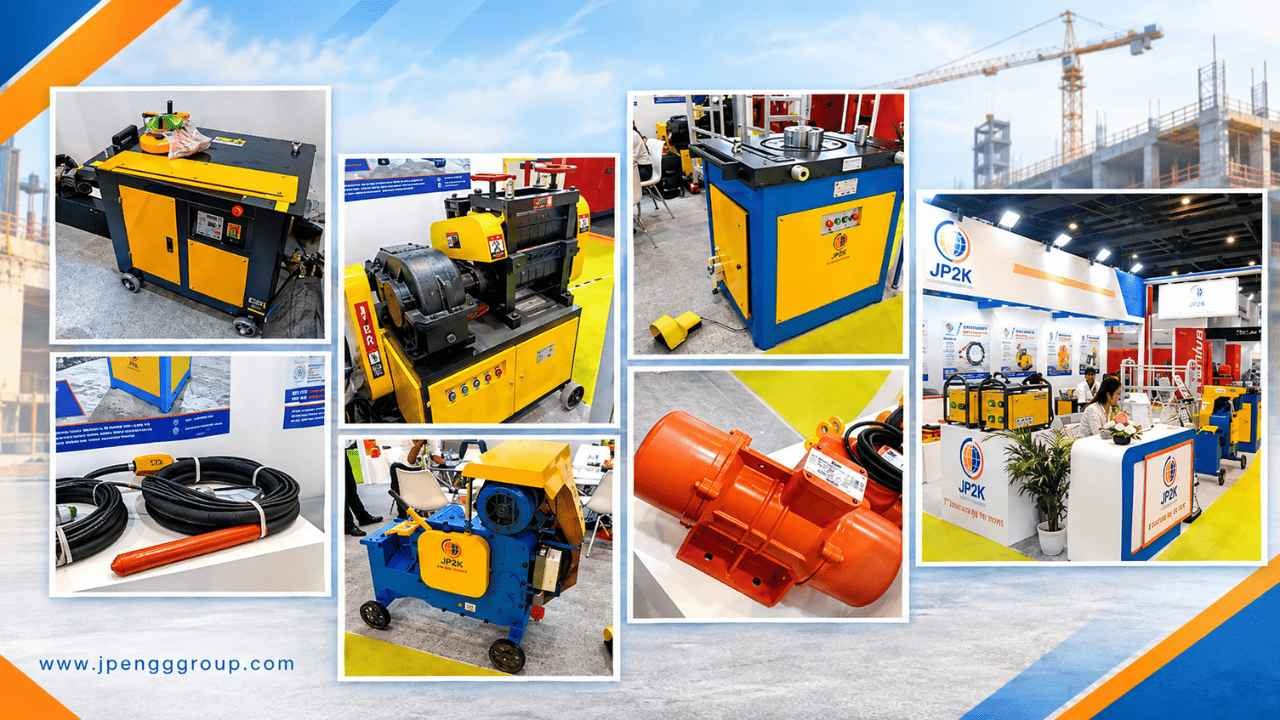
JP2K Showcases Construction Machinery at bauma CONEXPO INDIA 2026
08-Oct-2026
Read More
JP2K at bauma CONEXPO INDIA 2026 | Construction Machinery
05-Oct-2026
Read More
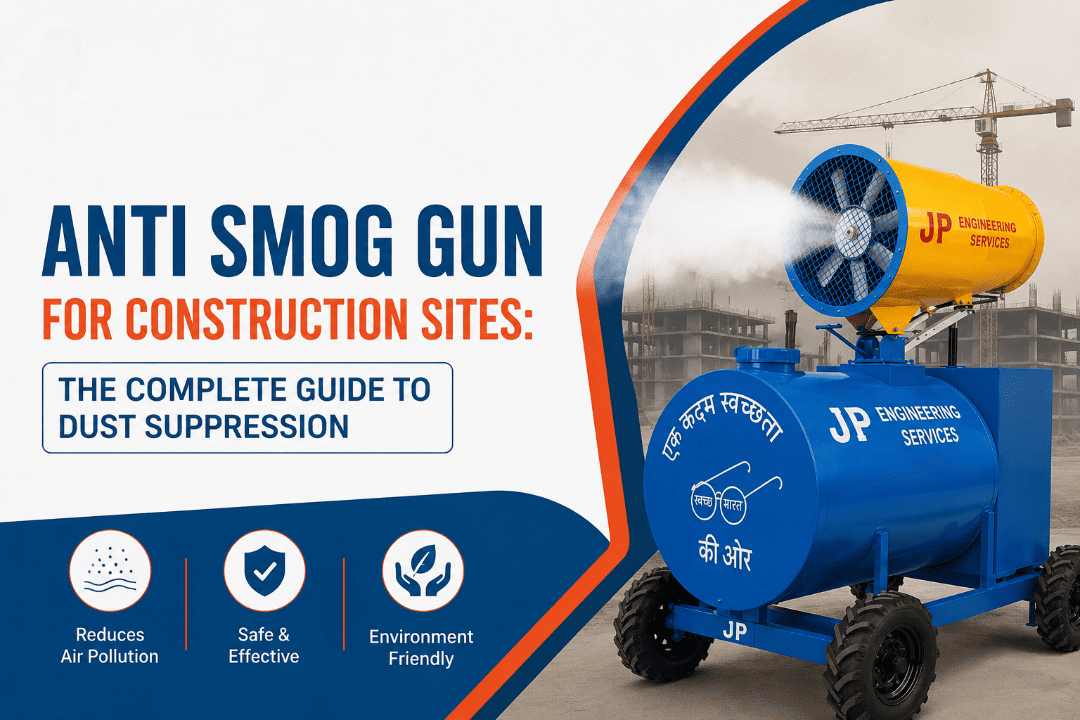
Anti Smog Gun for Construction Sites | Dust Suppression Guide
17-Aug-2026
Read More








Copyright © 2026 J P Engineering Services
And Get Technical Specifications