


04-Feb-2026
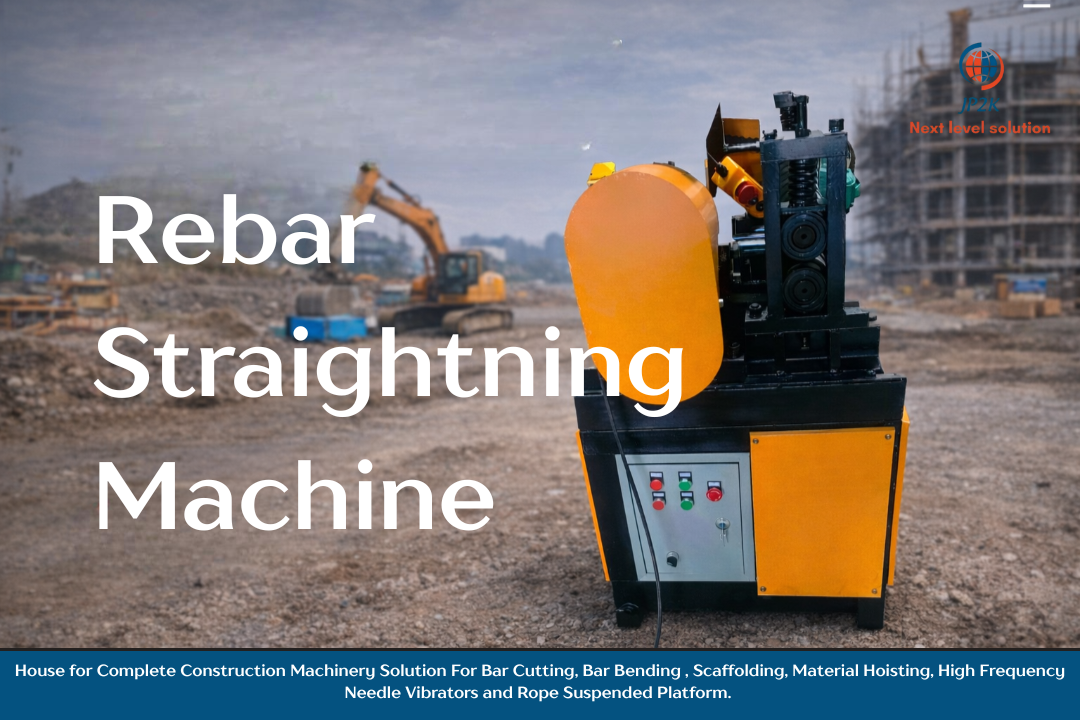
A Rebar Straightening Machine is an essential
construction equipment designed to straighten bent, coiled, or deformed steel
bars with high precision and efficiency. Widely used in residential,
commercial, and infrastructure projects, this machine ensures uniform, straight
rebars that meet construction quality standards. By reducing manual labour and
material wastage, it significantly improves site productivity and operational
safety.
Built with a robust frame and heavy-duty rollers, the rebar straightening machine delivers smooth and consistent output even under continuous operation. It is suitable for processing TMT bars of various diameters and can be integrated with cutting systems for faster workflow. Easy to operate and low in maintenance, this machine is ideal for builders, contractors, and fabrication yards looking to enhance speed, accuracy, and cost efficiency on construction sites.
In modern construction, speed, accuracy, and strength are
critical. Steel reinforcement bars (rebars) play a vital role in providing
structural stability, but bent or coiled rebars can slow down work and reduce
efficiency. This is where a Rebar Straightening Machine becomes an
essential piece of equipment. It helps construction professionals straighten
steel bars quickly, accurately, and safely, saving both time and labour costs.
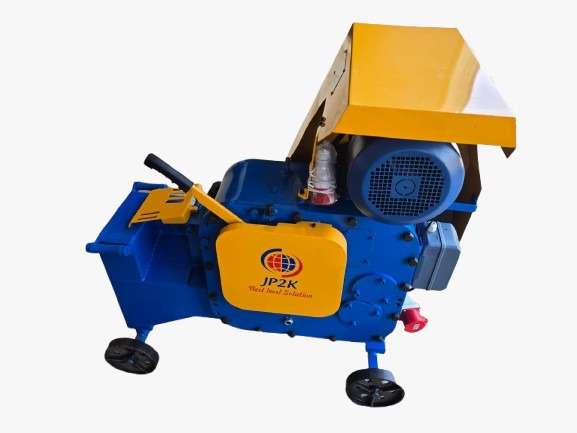
A Rebar Straightening Machine is a construction
machine designed to straighten bent, twisted, or coiled steel bars (TMT bars)
into perfectly straight lengths. It uses a system of rollers and pressure
mechanisms to remove bends and deformation without damaging the steel.
These machines are widely used at construction sites,
fabrication yards, and infrastructure projects to ensure high-quality
reinforcement work.
The working principle is simple and efficient:
Some advanced models also combine straightening and
cutting in a single operation, further increasing productivity.
Depending on project requirements, different types are
available:
1. Manual Rebar Straightening Machine
2. Automatic Rebar Straightening Machine
3. Rebar Straightening and Cutting Machine
Using a rebar straightening machine offers multiple
advantages:
Rebar straightening machines are commonly used in:
Before purchasing, consider the following factors:
Choosing the right machine ensures better performance and
long-term value.
To keep the machine running efficiently:
Proper maintenance increases machine life and ensures
consistent output.
.png)
One Power Source. Four Outputs. Maximum Site Productivity.
06-Feb-2026
Read More

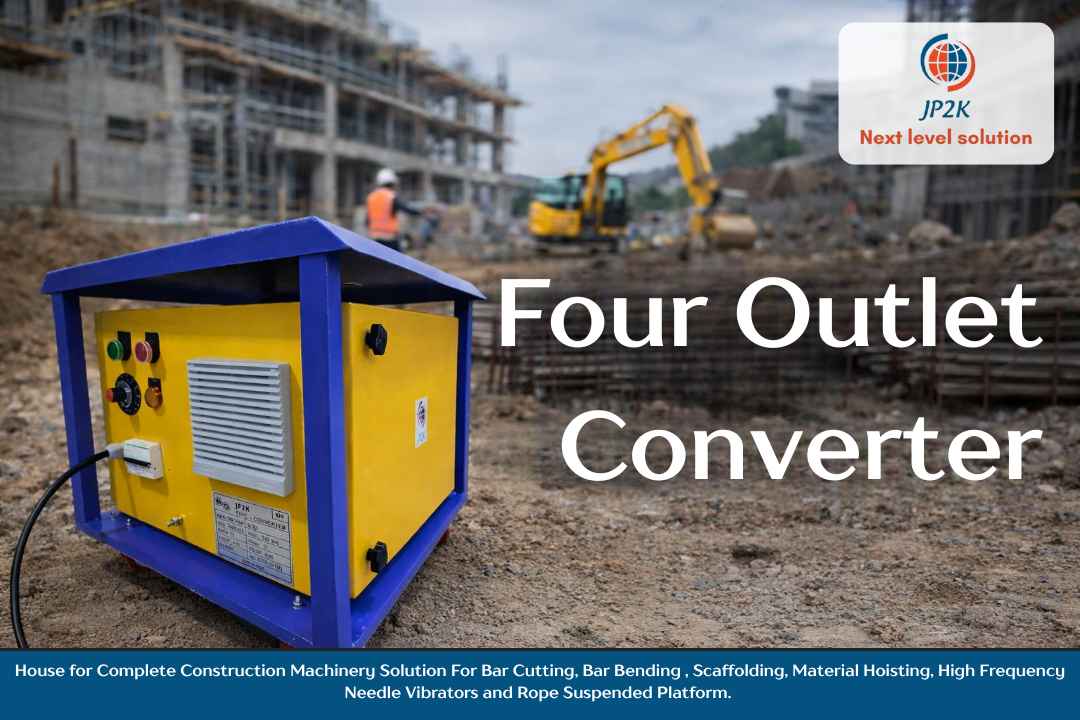
Heavy-Duty 4 Outlet Converter for Construction Power
05-Feb-2026
Read More
Rebar Straightening Machines Explained: Features, Benefits & Applications in Construction
04-Feb-2026
Read More
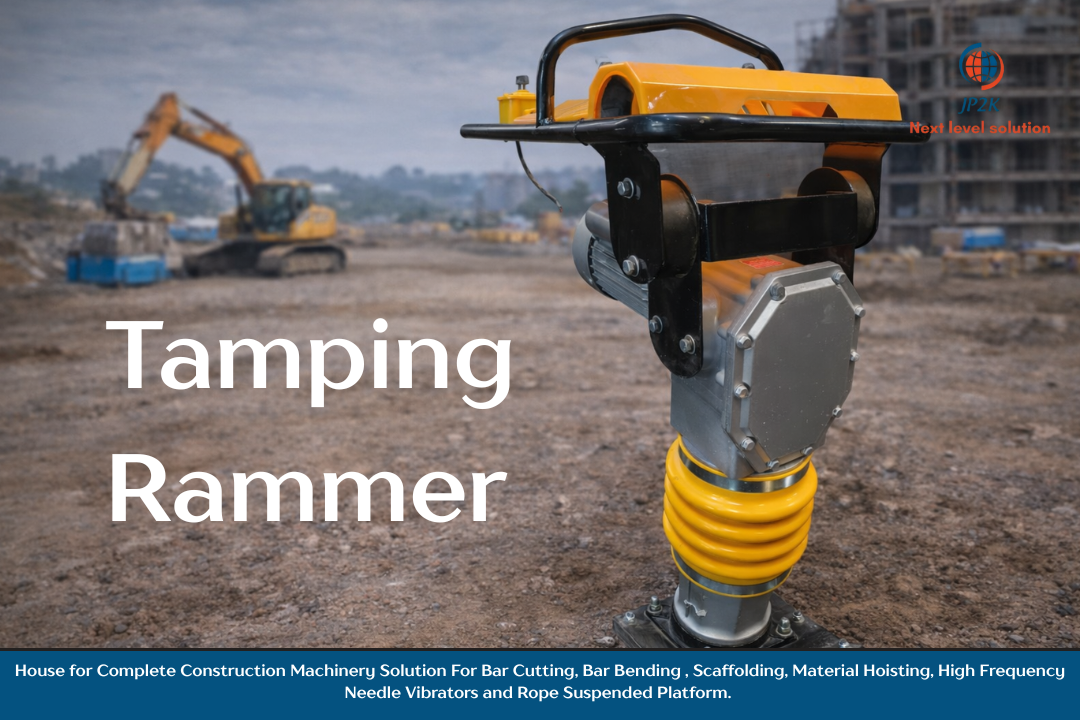
Tamping Rammer: Features, Uses & Buying Guide for Construction Sites
02-Feb-2026
Read More





Copyright © 2025 J P Engineering Services
And Get Technical Specifications