


06-Jul-2026
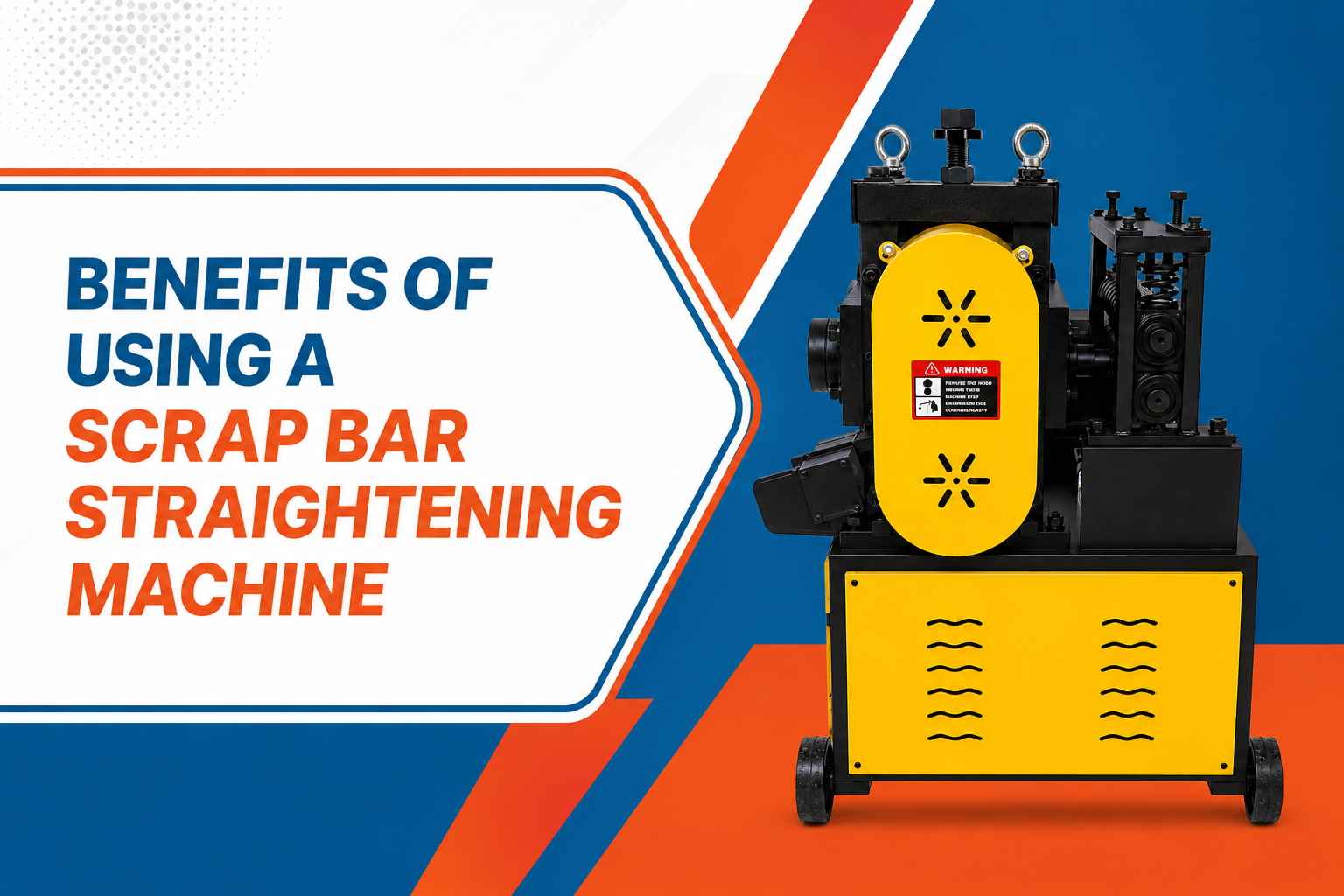
If you work in metal fabrication, rebar processing, or a scrap recycling operation, you already know that bent, twisted, or coiled bar stock is more than a cosmetic problem — it's a bottleneck. A scrap bar straightening machine solves that bottleneck by taking crooked, deformed, or coiled steel bar and running it through a series of rollers or dies that restore it to a true, usable, straight condition. Here's why more shops are adding one to their line.
A huge share of scrap and reclaimed bar stock gets discarded simply because it's bent out of shape, not because the metal itself is bad. A straightening machine lets you reclaim that material and put it back into production instead of selling it at scrap prices or paying to have it hauled away. Over time, this can meaningfully cut your raw material costs.
Every length of bar you straighten and reuse is a length you don't have to buy new. For shops processing high volumes of rebar, wire rod, or round/square/flat bar, this adds up fast. The machine effectively pays for itself by reducing dependence on fresh material purchases.
Manual straightening — hammering, pressing, or eyeballing a bar against a flat surface — is slow and inconsistent. A dedicated straightening machine applies calibrated, repeatable pressure through precision rollers, so every piece comes out within a tight tolerance. That consistency matters when the straightened bar is headed into welding, bending, cutting, or CNC processing downstream.
Because the process is mechanized, a straightening machine can process far more bar per hour than manual labor ever could. Feed rates on many machines can be adjusted to match your line speed, which helps keep straightening from becoming the slow step in your workflow.
Manually straightening bar stock is physically demanding and repetitive work, and it carries real risk of strain injuries over time. Automating the process frees up your workers for higher-value tasks and reduces the physical toll of the job — which also tends to reduce workers' comp claims and turnover.
Most modern straightening machines are built to handle multiple bar profiles — round, square, hexagonal, and flat — across a range of diameters. Some models include adjustable roller settings so a single machine can handle several jobs instead of needing separate equipment for each bar type.
Straight bar feeds better into cutting, bending, threading, and welding equipment. Feeding warped or bent stock into downstream machinery can cause misfeeds, inaccurate cuts, or even equipment damage. Straightening upfront protects the rest of your production line and reduces scrapped parts later in the process.
Reclaiming and reusing bent bar stock instead of scrapping it aligns with lean manufacturing and sustainability initiatives. It reduces the volume of metal sent for re-melting and cuts the energy and transportation costs tied to sourcing new material.
Given the combined savings on material costs, labour, and downstream scrap reduction, many operations see a straightening machine pay for itself within a relatively short window — especially in high-volume environments.
A scrap bar straightening machine isn't just a convenience — it's a practical investment that touches material costs, labor efficiency, product quality, and even sustainability metrics. For any shop working with bar stock at volume, it's worth evaluating whether adding one (or upgrading an older unit) could tighten up your process and your bottom line.
Looking to add a straightening machine to your operation? Consider your typical bar sizes, profiles, and required throughput before comparing models — matching the machine to your actual production needs is the difference between a good investment and an underused one.
The Benefits of Using a Scrap Bar Straightening Machine
06-Jul-2026
Read More

The Construction Machinery Boom Is Here: 26 Stats That Prove It's Time to Upgrade Your Fleet
04-Jul-2026
Read More
7 Ways to Increase Productivity on Construction Sites Using JP2K Machines
02-Jul-2026
Read More
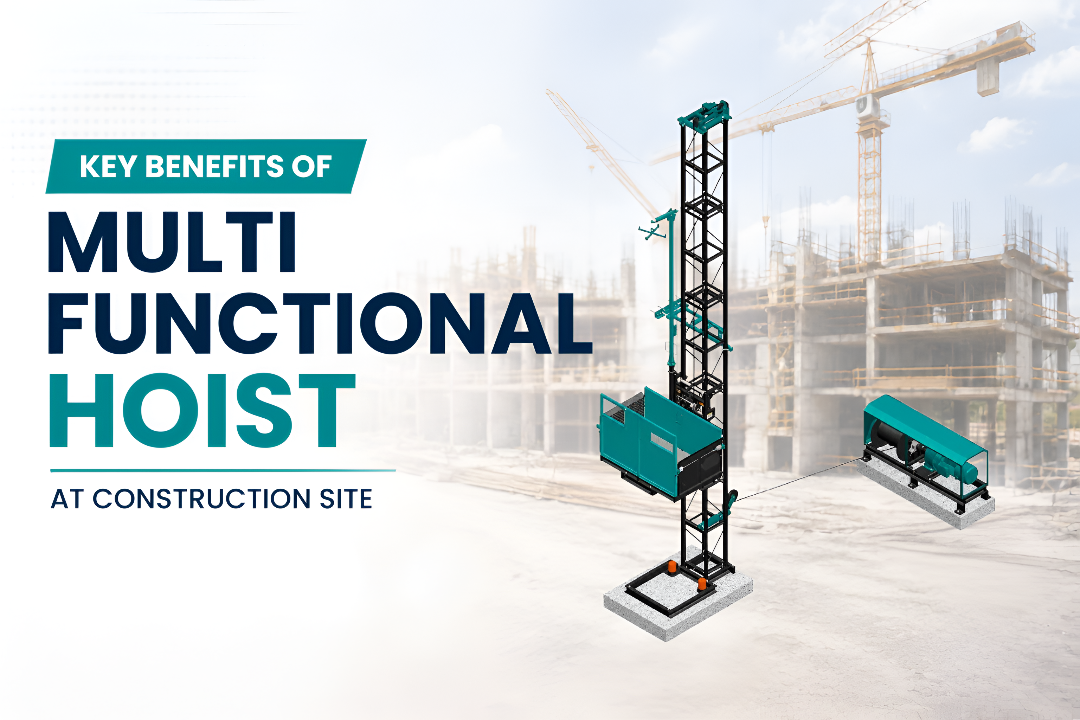
Key Benefits of Using a Multi-Functional Hoist at Your Construction Site
29-Jun-2026
Read More






Copyright © 2025 J P Engineering Services
And Get Technical Specifications